Accra, Ghana — A sustained, community-led beach cleanup effort in Accra has removed more than 2.3 million kilograms of waste from the city’s coastline, marking one of the largest ongoing cleanup initiatives in West Africa.
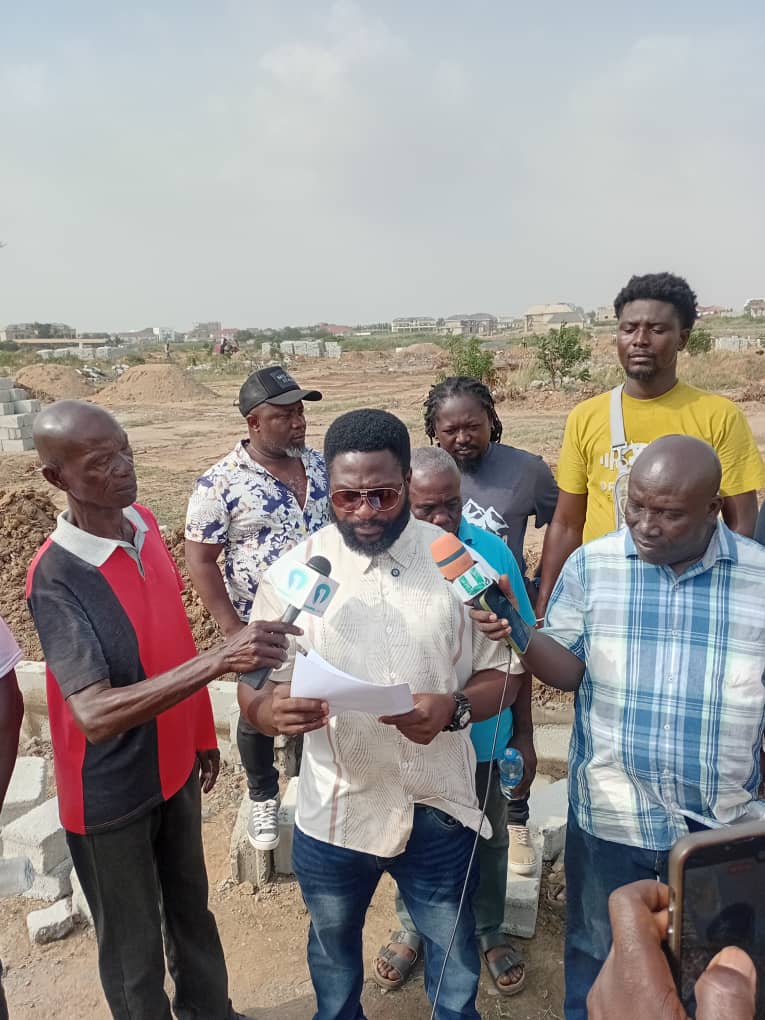
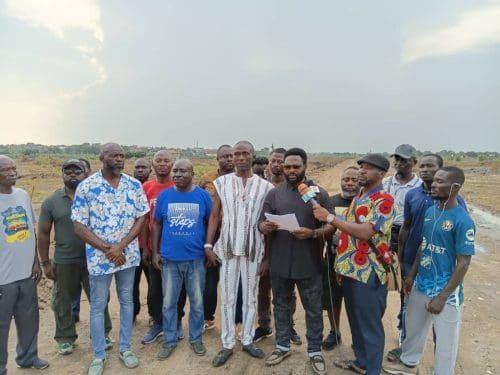
Led by The Or Foundation in partnership with the Tide Turners Community Cooperative, the effort has completed 93 weekly cleanups since January 2024, targeting the Jamestown Fishing Harbour beach, known locally as Kinshasha Beach. The area is heavily polluted due to its proximity to the Korle Lagoon, where waste dumped inland is carried to the shore by tidal movements.
According to data from The Or Foundation’s citizen-science ecological monitoring program, which has tracked textile waste along Accra’s coastline weekly since 2021, Jamestown is among the most affected sites. To address the scale of pollution, the Foundation organized local residents into a professional cleanup crew and, under authorization from the Accra Metropolitan Assembly (AMA), operates a truck that removes over 30 tons of waste every week.
The cleanup employs more than 100 community youth on a regular basis and has visibly transformed a beach once so polluted that sand was barely visible. Its scale and consistency position it as a potential model for the nationwide sanitation initiative announced by President John Dramani Mahama during National Fisheries Day in November.
Beyond waste removal, The Or Foundation has supported the formal organization of Tide Turners as a community-based cooperative and provides on-site first aid and health screenings during cleanup activities.
A key component of the project is its focus on textile waste. Cleanup teams document clothing brand tags found among discarded garments, linking pollution on Ghana’s coastline to global fashion supply chains. The most frequently recovered brand names are shared publicly on The Or Foundation’s social media platforms (@theorispresent), alongside calls for major apparel brands—including Adidas, Nike, Marks & Spencer, and H&M—to contribute to the costs of ecological remediation through emerging extended producer responsibility (EPR) frameworks.
While the cleanup milestone is significant, The Or Foundation emphasizes that its long-term goal is to prevent waste from reaching the beach entirely. As Textile Value Chain Lead for UNIDO’s Ghana Circular Economy Centre, the organization has helped establish a market-wide textile waste management cooperative in Kantamanto Market, the world’s largest secondhand clothing market.
In partnership with the AMA, the cooperative has piloted a textile sorting center designed to divert reusable and recyclable materials into value-added pathways, including upcycled yarn and fiberboard panels for sound insulation. Some of these products are available through The Or Foundation’s Other Showroom in Adabraka.
Founded in 2011 and based in Accra, The Or Foundation works to advance a justice-led circular economy through research, policy advocacy, education, and community-based ecological care.