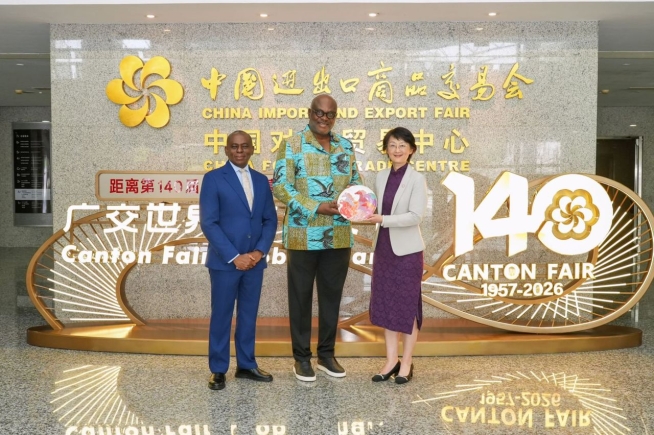
Dr. Richmond Atuahene, Banking and Financial Consultant
Banking and financial consultant, Dr. Richmond Kwasi Atuahene, has stated that corruption in Africa is the primary reason the continent continues to receive poor credit ratings not bias from international rating agencies.
His remarks were in response to former President Nana Addo Dankwa Akufo-Addo’s comments at the recently concluded Afreximbank Summit in Nigeria, where the former president reignited calls for the establishment of an African-led credit rating agency. President Akufo-Addo argued that current global credit rating systems unfairly penalize African nations and undermine their development and financial prospects.

Former President Nana Akufo-Addo
Dr. Richmond Atuahene, however, disagreed, asserting that Africa’s credit ratings are a true reflection of its economic realities, largely influenced by corruption and misappropriation of public funds.
He questioned why other continents rarely raise concerns about the fairness of these international rating systems, stating that Africa’s frequent complaints point to deeper governance issues rather than flaws in the rating criteria.
He suggested that what African leaders must focus on is coming together to fight corruption head-on, which is the key factor dragging the continent down in the eyes of rating agencies, rather than making statements that suggest bias.
Also addressing former President Akufo-Addo’s call for African nations to shift their financial priorities inward by committing a significant portion of their sovereign reserves to African-based development institutions instead of storing them in foreign vaults, Dr. Richmond Atuahene noted that economic and financial independence will remain out of reach unless African leaders get their priorities right.
He emphasized that while the idea is commendable, African leaders often excel at making declarations but fall short on execution. He added that even institutions like Afreximbank, which carry the African name, are majority-owned by foreign shareholders, further underlining the continent’s limited control over its own development resources.